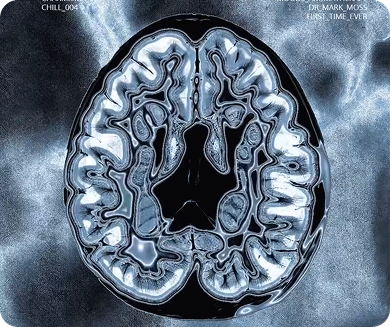
Minimally Invasive Neuroradiology: An Overview

Medical insights
Date 10. 2025
Author Dr. Makalanda
Category Medical advances
Minimally Invasive Neuroradiology: An Overview

Introduction

Interventional neuroradiology uses advanced imaging to access and treat brain and spine conditions through blood vessels or the skin, often without open surgery. Procedures such as coiling, stenting, and embolisation are performed under fluoroscopic guidance with minimal incisions.

Patient selection, multidisciplinary discussion, and evidence-based care remain central to safe and effective treatment. Outcomes continue to improve as devices become smaller, more flexible, and more precise.
Advantages for patients

Minimally invasive approaches typically result in shorter hospital stays, reduced pain, and faster recovery compared to open surgical alternatives. Many patients can return to normal activities within days rather than weeks.

Close collaboration between neuroradiologists, neurosurgeons, and neurologists ensures each patient receives the most appropriate treatment strategy based on the latest evidence.

Related articles