Consultant Interventional Neuroradiologist in London


About Dr. Makalanda



Education
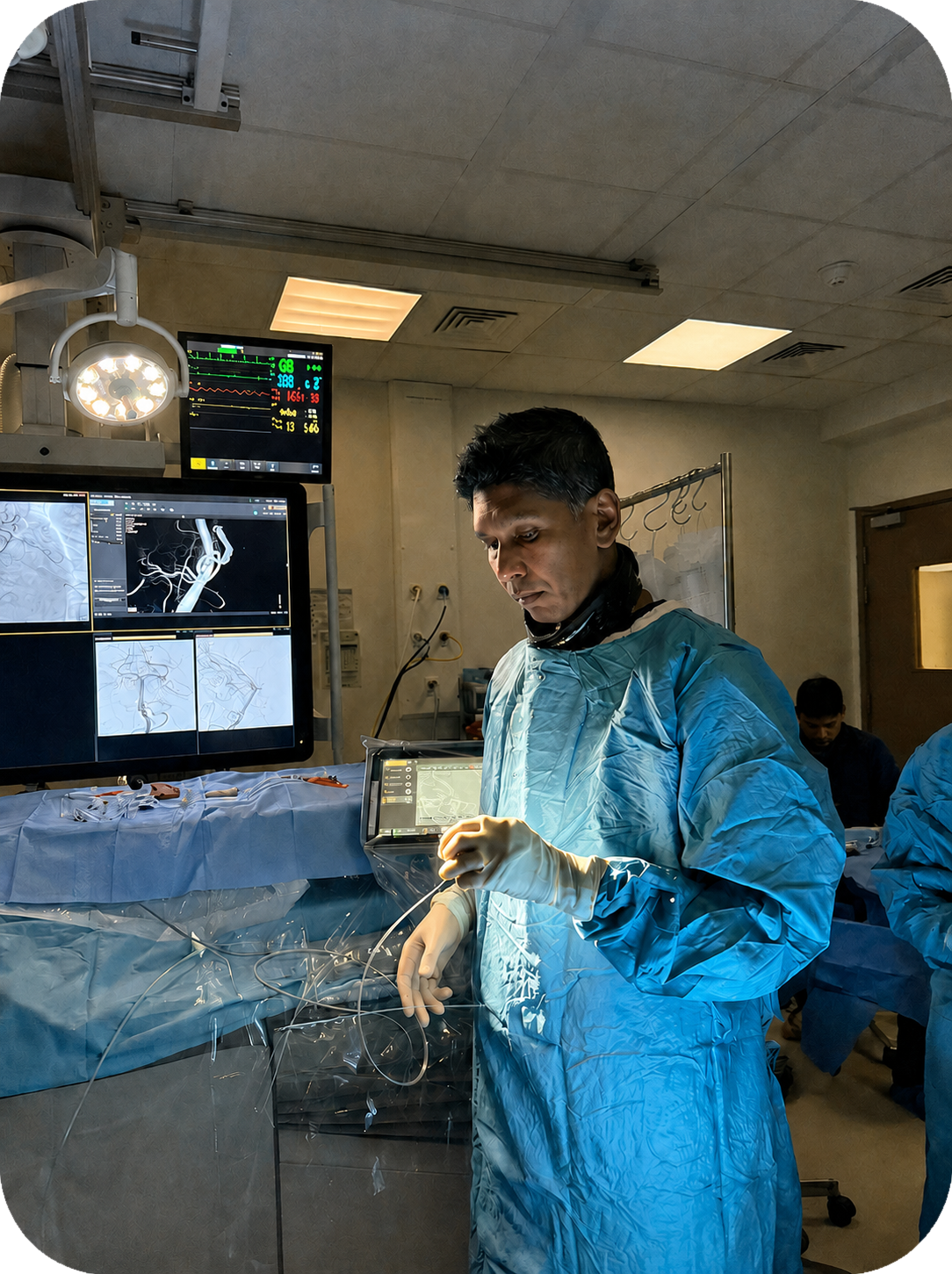
Dr. Makalanda is a premier UK Neuroradiologist uniquely credentialed in diagnostic, endovascular, and spinal intervention. His rare expertise stems from elite specialist training and a deep clinical background in cardiothoracic and intensive care.
Experience
Dr. Makalanda leads the UK's largest interventional neuroradiology team, having performed over 10,000 procedures and several world-firsts. With 68 publications and near-perfect patient ratings, he manages a 24/7 stroke service while maintaining a global reputation for excellence.
Specialisation
Dr. Makalanda provides incision-free treatments for complex brain and spinal conditions, including Gamma Knife surgery. He practices at London’s top hospitals and is a leading expert for neurovascular second opinions.
Areas of expertise
Conditions I Treat
Interventional neuroradiology treats conditions of the brain, head, neck and spine from the inside of the blood vessels, using image guidance and instruments passed through a tiny puncture, usually at the wrist. For most patients that means no large incision, less risk, and a faster recovery than open surgery.
View all
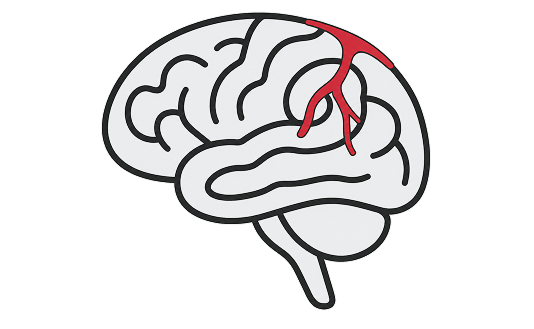
Cranial dural fistula
Sealing abnormal artery-to-vein connections in the lining around the brain to restore normal blood flow and prevent bleeding.

Pulsatile tinnitus
Diagnosis and minimally invasive treatment of rhythmic, heartbeat-like ear noise caused by abnormal blood flow around the brain.
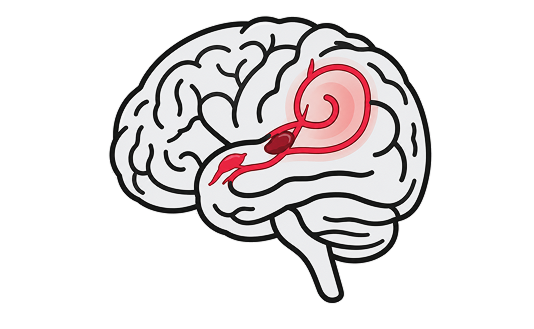
Stroke
Emergency clot retrieval (mechanical thrombectomy) to reopen blocked brain arteries quickly and limit long-term disability.
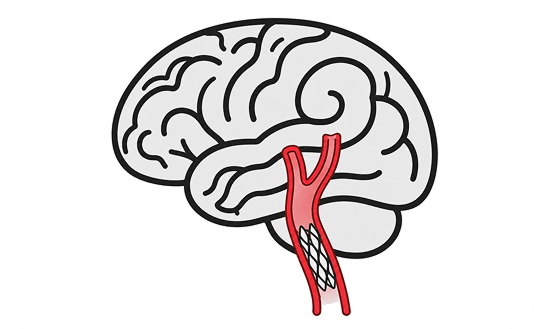
Carotid stent
Opening narrowed neck arteries with a small mesh tube to restore healthy blood flow to the brain and reduce stroke risk.

Cerebral venous disorders
Minimally invasive treatment of narrowed or blocked brain veins to improve the brain's natural blood drainage.
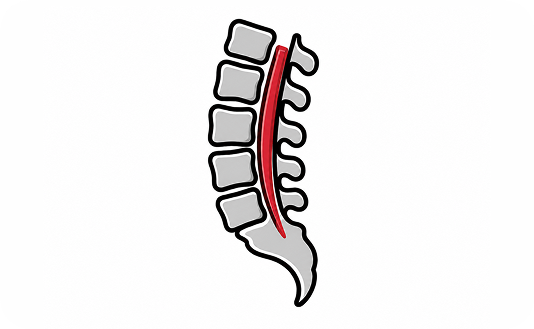
Spinal dural fistula
Mapping and sealing abnormal spinal blood vessel connections to protect the spinal cord from progressive damage.
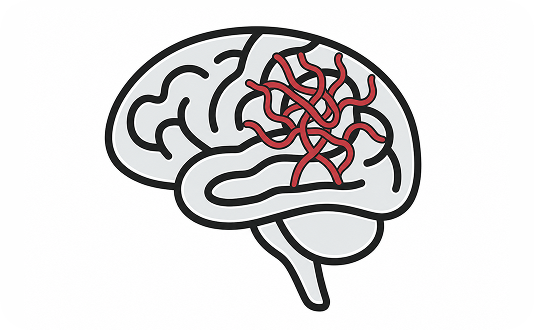
Brain AVM
Treatment of abnormal tangles of brain blood vessels using embolisation, sometimes combined with surgery or radiosurgery.
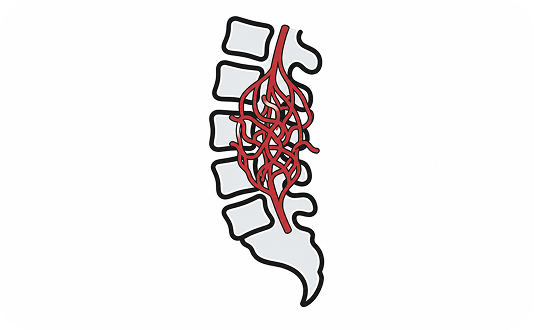
Spinal AVM
Careful embolisation of abnormal spinal blood vessels to protect the spinal cord from bleeding and loss of function.
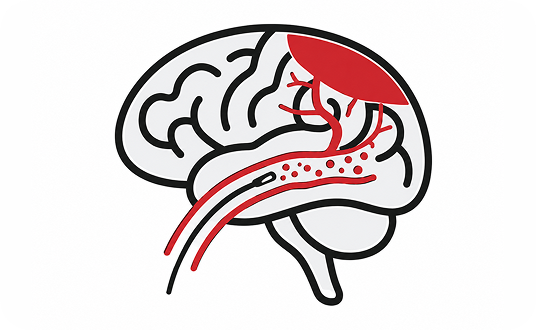
Embolisation for subdural haematoma
A minimally invasive procedure (middle meningeal artery embolisation) to treat chronic blood collections on the brain's surface and reduce the chance of recurrence.
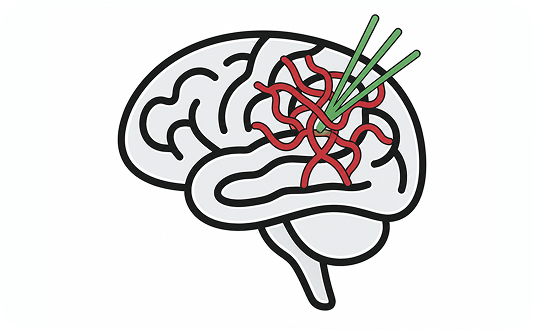
Gamma Knife for AVM
Precisely targeted radiation used to gradually close off deep or complex brain AVMs without open surgery.
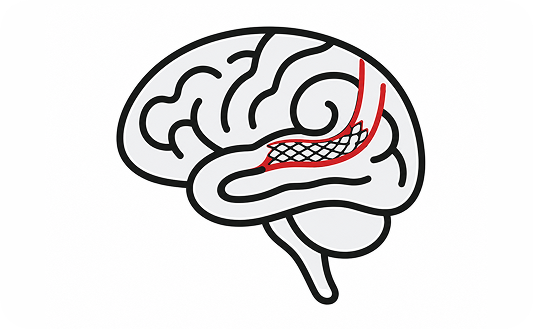
Intracranial stent
Placing a fine mesh tube inside a narrowed brain artery to improve blood supply and help prevent stroke.

CSF disorders
Pinpointing and sealing spinal fluid leaks to resolve severe, position-related headaches.
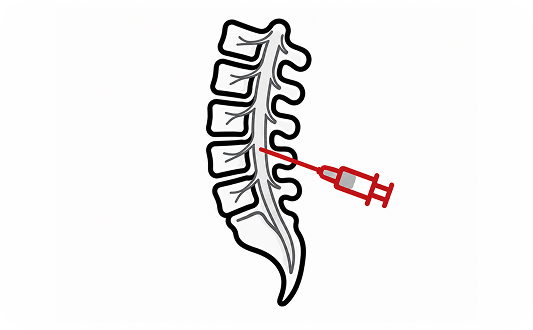
Myelogram
Detailed contrast imaging of the spinal canal to identify nerve compression, fluid leaks, or other structural problems.
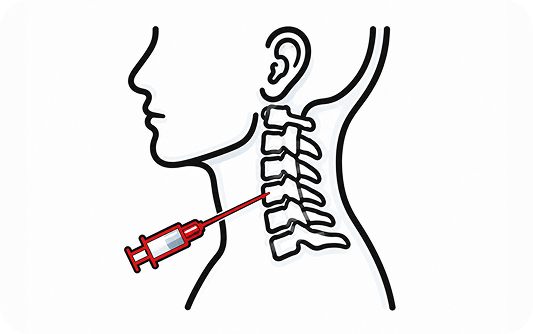
Spine injection
Targeted, image-guided injections to relieve pain from nerve irritation or inflammation in the back and neck.
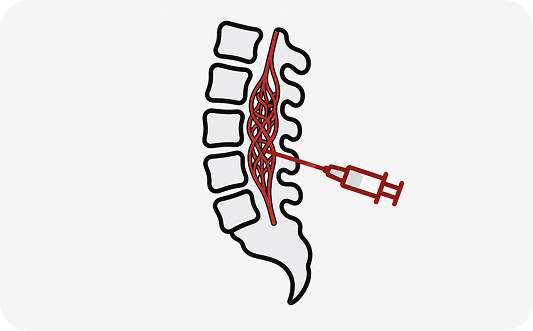
Lumbar puncture
A precise, image-guided sampling of spinal fluid for diagnosis or to relieve raised pressure.
Specialist Treatments

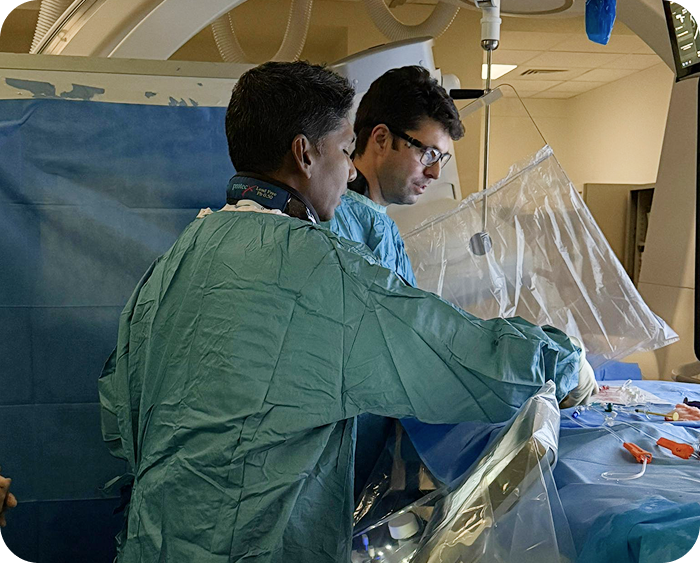
Mechanical thrombectomy.
When every second counts, modern medical technology allows us to provide life-saving solutions. Mechanical thrombectomy is an advanced procedure designed to remove blood clots quickly and safely, immediately restoring blood flow. What used to require more complex procedures is now performed using minimally invasive techniques.
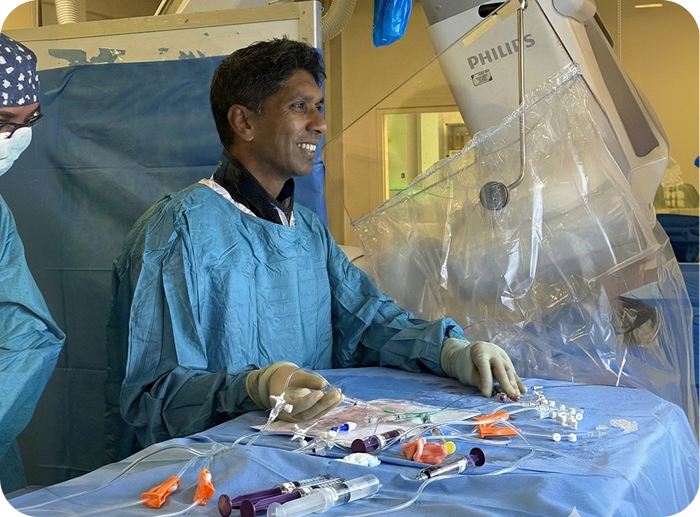
Treatment of aneurysms.
In the past, treating an aneurysm was a complex process. Today, thanks to medical elective advances, we have modern techniques that allow us to treat most cases using minimally invasive methods.
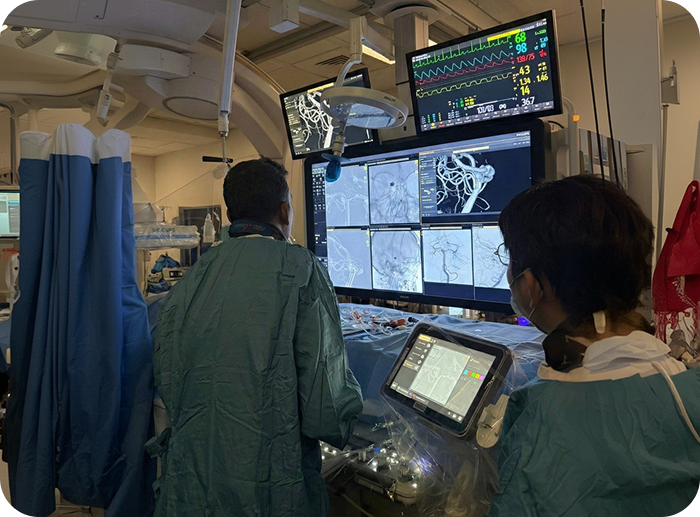
Arteriovenous malformations.
Treating an AVM requires a highly personalized approach. Since every patient’s vascular system is unique, we focus on providing individualized care. As leaders in this field, we use a variety of modern methods to treat AVMs safely. We take the time to explain your options in plain English, ensuring you feel confident and comfortable with your treatment plan.
Spine injections
Minimally invasive procedures used to deliver pain-relieving medication directly to the affected area of the spine, helping to reduce inflammation, alleviate chronic back or neck pain, and improve mobility.
Treatment of aneurysms.
In the past, treating an aneurysm was a complex process. Today, thanks to medical elective advances, we have modern techniques that allow us to treat most cases using minimally invasive methods.
Arteriovenous malformations.
Treating an AVM requires a highly personalized approach. Since every patient’s vascular system is unique, we focus on providing individualized care. As leaders in this field, we use a variety of modern methods to treat AVMs safely. We take the time to explain your options in plain English, ensuring you feel confident and comfortable with your treatment plan.
Find us
Find
Results That Matter
2,500+
Brain procedures performed
3,500+
Spinal procedures
60+
Peer-reviewed publications
25+
Years in medicine

Testimonials
Real Stories, Real Results
 Hundreds of patients
Trusted by Leading Societies
Proudly connected with leading medical societies worldwide, building strong affiliations that reflect our commitment to excellence, innovation, and the highest standards of patient care.